Category: Assignments

  • Final Project: The Last Season

    Part 1:

    Jake Reynolds is a fictional former baseball college athlete who was once considered the star of his team. Everyone expected him to continue playing after college, but a serious injury during his senior season ended those dreams. After graduation, jake struggles with losing the identity he had built around being an athlete. He feels stuck, unsure of who he is without the sport that shaped his life.

    One day, Jake receives an invitation to attend his team’s alumi game. At first, he ignores it because he doesn’t want to revisit the past. But he eventually decides to go back to campus and do it. Throughout the story, he confronts old memories, regrets and the fear that his best days are behind him.

    As he reconnects with former teammates and watches the current players compete, Jake realizes that the lessons baseball taught him—leadership, resilience, teamwork, and perseverance—still shape who he is. By the end of the story, he understands that even though his playing career has come to an end, his passion for the game doesn’t have to. Rather than trying to hold on to the athlete he used to be, Jake chooses to give back by mentoring younger players and helping them navigate the same challenges he once faced.

    Sound Cloud Audio (5 stars )

    After graduating and stepping away from baseball, Jake wasn’t sure if he would ever return to the game. This audio piece captures the emotions of walking back onto the field (the begining is the sounds of cleats on the pavement),for the alumni game.Using sounds like footsteps, a bat hitting the ball, and the crowd cheering, this audio brings back the memories and emotions Jake feels as he returns to the field. It shows that even when one chapter of your life ends, the things that matter most can still stay with you.

    Story within photos (5 stars)
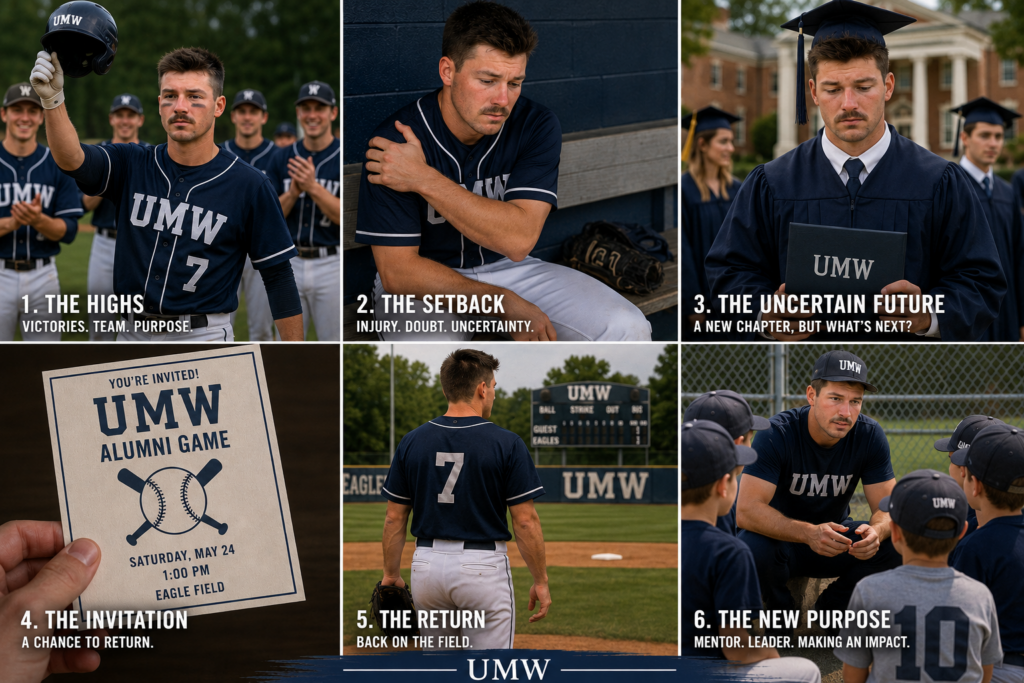
    These images tell Jake’s story from the beginning to end, showing the highs and lows of his baseball journey at UMW. From celebrating the wins to dealing with injuries and setbacks, this collage shows how Jake’s journey changed over time. Coming back to the field and mentoring younger players helped him realize that success isn’t just about playing the game,it’s also about the impact you leave on others.

    Credits: Images were created with AI using a picture inspo of an actual player on the UMW baseball team.

    Create a commercial (4 stars)

    https://youtu.be/jK0jMGaTKDI

    This commercial gives a quick look at Jake’s journey and the moments that brought him back to baseball. It shows that even when things don’t go as planned, new opportunities can lead you back to what matters most

    Animatic Joy (5 stars)

    https://youtu.be/ZhgUDabEpoU

    I liked this assignment because it showed me that storytelling doesn’t always have to be complicated to be effective. Even with simple stick figure drawings, I was able to show Jake’s journey from dreaming of going pro to finding a new purpose by mentoring younger players.

    Top 10 Ranking Video
    https://youtu.be/5kY_D-AYpc0

  • Video Week Summary

    This week helped me learn a lot more about video storytelling and filmmaking techniques. Before this unit, I mostly just watched movies and videos for entertainment without paying much attention to how they were created. Through the readings, videos, movie analysis, and video assignments, I learned how camera angles, editing, framing, sound, and pacing all work together to tell a story and influence the audience. While video production was a lot more challenging than some of the other DS106 units, it was also one of the most fun because it allowed me to be creative with what I wanted to do and how I wanted to create stories of my own.

    Part II: Learning How to Read a Movie

    https://pmccausland.com/assignments/learn-how-to-read-a-movie/

    In this post, I responded to Roger Ebert’s essay “How to Read a Movie” and watched different videos explaining filmmaking techniques. I learned how directors use camera angles, framing, one point perspective, and editing to guide viewers’ attention and create emotional responses. One of the biggest things I learned was that every shot in a movie is carefully planned and serves a purpose, and after completing this assignment, I started noticing filmmaking techniques that I had never paid attention to before.

    Part III: Look, Listen, Analyze

    https://pmccausland.com/assignments/look-listen-analyze/

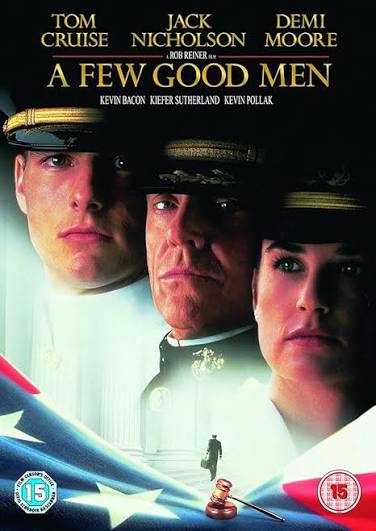
    I analyzed the courtroom scene from A Few Good Men by watching it three different ways-visuals only, audio only, and then with both together. Separating the visual and audio helped me notice details that I usually would have missed. I paid attention to camera angles, character placement, editing, dialogue pacing, and how the filmmakers built tension throughout the scene. This assignment helped me better understand how visual and audio elements work together to create powerful moments in film.

    Part IV: Video Assignments

    https://pmccausland.com/assignments/the-procrastination-project/

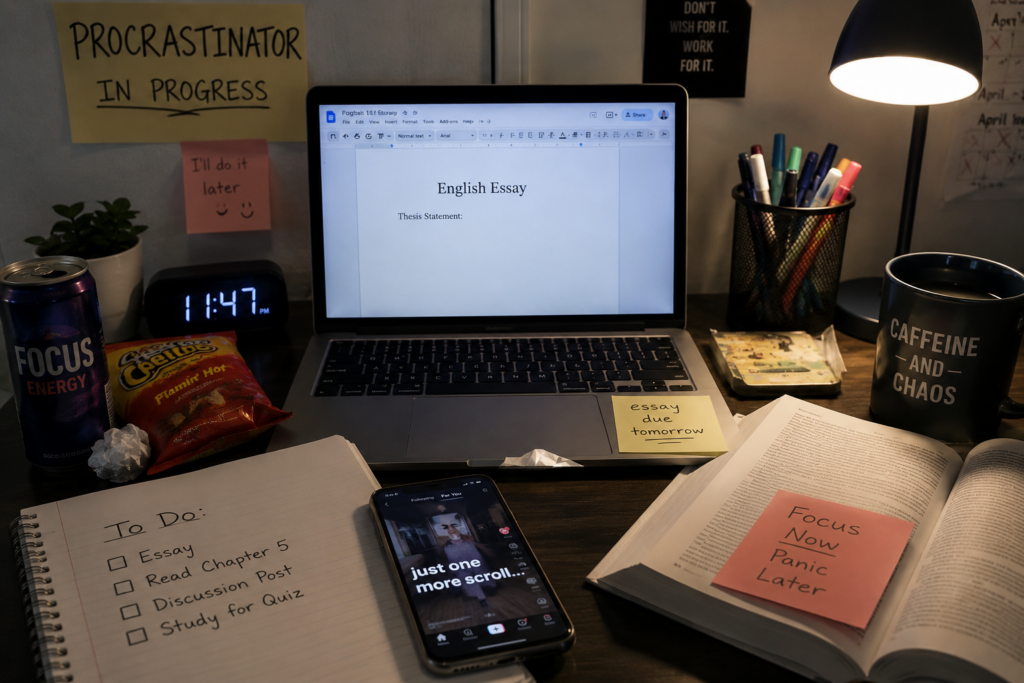
    For this assignment, I created a short video called The Procrastination Project. The story followed a college student who struggles with distractions while trying to complete an assignment. I used simple shots, music, and editing which showed how procrastination can create unnecessary stress and how time management is important.

    Stories Through Games

    https://pmccausland.com/assignments/the-last-save-a-goalkeepers-challenge-cool-math-games/

    For this assignment, I used a soccer goalie penalty kick game from Cool Math Games. The video followed the goalkeeper as they tried to make important saves and overcome challenges as well as the player who tried to score their penalty kicks. This project showed me that even simple games can create stories through competition, success, and failure.

    Top 10 Sports Movies

    https://pmccausland.com/assignments/my-top-10-sports-movies/

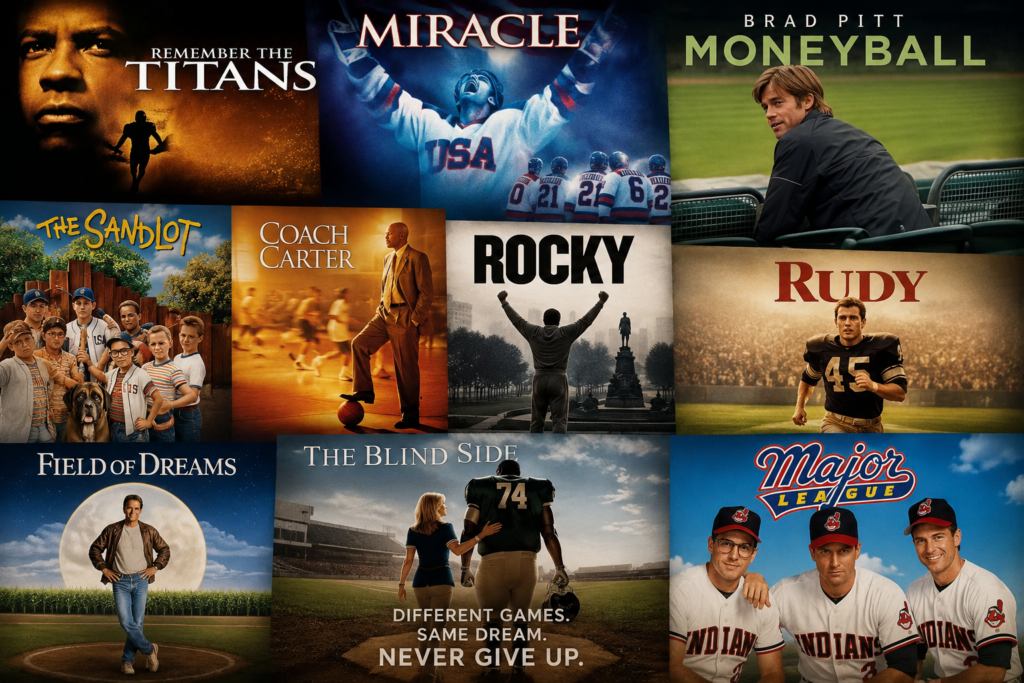
    For my final video assignment, I created a ranking of my top 10 favorite sports movies (this was hard because all of them are so good) . The video included movie posters, rankings, and short explanations for each choice. As a student athlete, sports movies have always been some of my favorite films because they often focus on teamwork, leadership, perseverance, and overcoming obstacles.

    Reflection:

    What did you learn?

    I learned how important visual storytelling is and how filmmakers use camera angles, editing, framing, and sound to influence viewers. I also learned basic video editing skills and gained a greater appreciation for the amount of work that goes into creating videos and movies.

    What was harder than you expected? Why?

    Video editing was harder than I expected because it took time to organize clips, add music, create titles, and make everything flow smoothly and even short videos required more planning and editing than I originally thought.

    What was easier than you expected? Why?

    Recording footage was easier than I expected because many of the assignments could be completed using everyday activities and simple video clips. Once I had all the footage, it was easier to build a story around it.

    What drove you crazy? Why?

    Uploading and embedding videos was probably the most frustrating part of the unit. There were times when files would not upload correctly or videos would not embed properly, which slowed down the process. But I had to adapt and figure out a way so I think there is one video I embeded that I had to post on Youtube for it to be able to get embeded.

    What did you enjoy most? Why?

    I enjoyed creating my own videos the most because it allowed me to be creative and tell stories in different ways. My favorite project was probably the sports movie ranking because it combined my interest in sports with video editing and storytelling, and all of those video I chose are some of my favorites.

    Feedback and Class Engagement

    Throughout this unit, the professor regularly sent class wide feedback and reminders about areas that students could improve. Those messages helped me make adjustments to my assignments and avoid common mistakes. I also looked at the examples that were posted on the assignments for the blog posts on canvas to see different approaches to the assignment and try and get some ideas for my own work.

  • My Top 10 Sports Movies

    For this video, I created a ranking of my top 10 favorite sports movies. As someone who enjoys sports myself, I have always liked movies that focus on teamwork, competition, perserverance, and overcoming challenges. These movies are entertaining, but they also teach valuable leassons that athletes can apply both on and off the field.

    This project was created using images and movie posters. While there is no single physical location in the story, each movie takes place in a unique sports setting that helps create memorable moments and powerful stories. These settings range from football fields and basketball courts to baseball diamonds and hockey rinks.

    Embeded video:

    Creating this ranking made me think about what makes a great sports movie. While each movie tells a different story, they all share themes of hard work, leadership, teamwork, and determination. I enjoyed comparing the movies and deciding where each one belonged on the list. This project showed how rankings can be used to tell a story and share personal opinions in a creative way.

    Credits:

    Image created using AI

    Video created by me

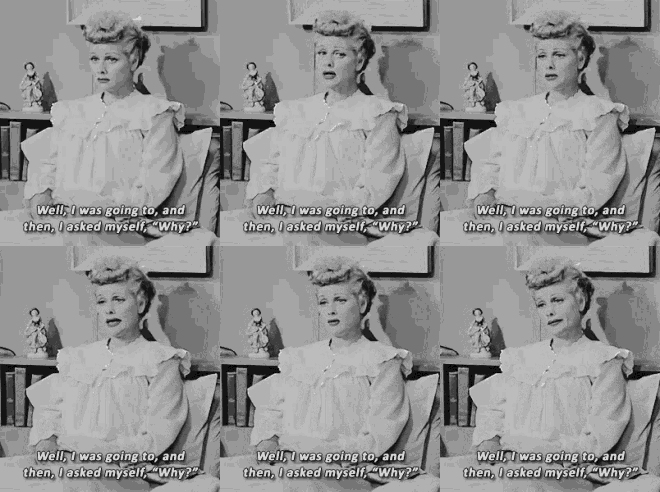
    GIF: Giphy

  • The Last Save: A Goalkeeper’s Challenge (Cool math games)

    For this video, I chose to tell a story through a soccer penalty kick game on Cool Math Games called Penatly Kick Online. The main character is a goalkeeper trying to stop as many penalty kicks as possible and then there is a player who is trying to score the penalty kicks. Every goal that you make you also have to answer a math question to be able to get another kick. Even though it’s a simple online game, it creates tension and excitement because every save or missed save affects the outcome. I wanted to show how games can create stories through competition and challenge.

    This story takes place on my phone as I’m playing it laying in my bed in my room. Although the setting is virtual, the game creates a competitive environment that feels similiar to a possible game that ends up with penalty kicks. Each penalty kick adds pressure and makes the outcome feel more important.

    Through this game, the goalkeeper learns that staying focused and reacting quickly are important for success. Each penalty kick presents a new challenge, and the game rewards patience and concentration. Creating this video showed me how even a simple online game can tell a story through wins, losses, and important moments.

    Credits:

    Screen shot of the game by me

    Game: Cool math games Penalty Kick Online

    Gif: Found on Safari

  • The Procrastination Project

    For this video, I chose a college student who struggles with procrastination (like myself). Many students put off assignments because they think they have plenty of time in the day, but that foten leads to stress when the deadlines get closer. I wanted to creare a simple story that shows how easy it is to get distracted and how quickly time can pass.

    This story takes place both in my room, living room and a little bit outside. The video begins in my room, where a lot of my studying and schoolwork takes place. This setting helps show the distractions that many college students face, such as phones, TV, and other forms of entertainment. As the story continues, the character goes outside and spends some time in the living room, which helps show how distractions can follow students beyond their study space. Even though the locations are simple and familiar, they are places that college students can relate to.

    My embedded video:

    https://youtu.be/emWDSMvptPc

    (Had to post the video on Youtube because it wouldn’t let me paste it here directly)

    At the end of the story, the character learns that procrastination often creates more stress than simply completing the work earlier. While the character eventually finished the assignment, the experience shows the importance of time managment and staying focused. Creating this video was a fun way to tell a story using everyday situations that many studentts experience.

    Credits:

    All video footage created by me

    Character image created using AI.

    GIF-Found on safari

  • Look, Listen, Analyze

    For this assignment, I analyzed the famous courtroom scene from A Few Good Men , where Lieutenant Kaffee questions Colonel Jessup. I chose this scene because it relies heavily on dialogue, camera angles, and character positioning to build tension. After watching the scene three different ways, I noticed many details that I would have probably missed if I had only watched it normally.

    Youtube link:https://www.youtube.com/watch?v=9FnO3igOkOk

    First Watch: Visuals Only

    Watching the scene without sound made me focus entirely on the camera work and the actors’ body language. The camera frequently switches between close up shots of Kaffee and Jessup as the tension builds. Jessup is often shown from slightly lower angles, which makes him seem powerful and intimidating. As Kaffee gains confidence, the camera begins giving him more close up shots as well. The lighting is bright and realistic which fits a courtroom setting. The scene uses a lot of shot-reverse-shot editing whic allows viewers to focus on each character’s reactions. Even without hearing the dialogue, it was clear that the conversation was becoming more intense.

    Second Watch: Audio Only

    Listening without watching allowed me to focus on the voices and emotions. The dialogue starts pretty calm but becomes more aggressive as the scene progresses. There are pauses between questions and answers that create suspense and make the audience anticipate what will happen next. Jessup’s voice sounds confident and controlled for most of the scene, while Kaffee’s voice becomes more assertive as he continues questioning him. There is no a lot of background music, which makes the dialogue the center of attention. The lack of music also makes the scene feel more realistic and dramatic.

    Third Watch: Visuals and Audio Together

    Watching the scene normally showed how the visuals and audio work together to build tension. The close up shots become more frequent as the confrontation intensifies and the dialogue becomes faster and more emotional. The camera focuses on facial expressions and reactions which helps the audience understand what each character is thinking. One thing that surprised me was how much the camera angles contributed to the feeling of power and control in the scene. The audio and visuals work well together to make the courtroom feel tense until the famous climax…

    This scene connects well to Roger Ebert’s ideas about reading a movie. Ebert explains that filmmakers use framing, character placement, and camera angles to communicate meaning. Throughout the scene, Jessup is often framed in a way that makes him seem dominant, while Kaffee’s growing confidence is shown through tighter shots and stronger positioning. The editing keeps the audience focused on the conflict between the two characters and helps build suspense and by separating the visual and audio elements, I noticed how much each contributes to the overall impact of the scene. The scene works well because all of the camera and sound choices help build tension and lead up to the confrontation.

    Sources:

    A Few Good Men courtroom scene (Youtube): https://www.youtube.com/watch?v=9FnO3igOkOk

    Roger Ebert, “How to Read a Movie”

  • Learn how to read a movie

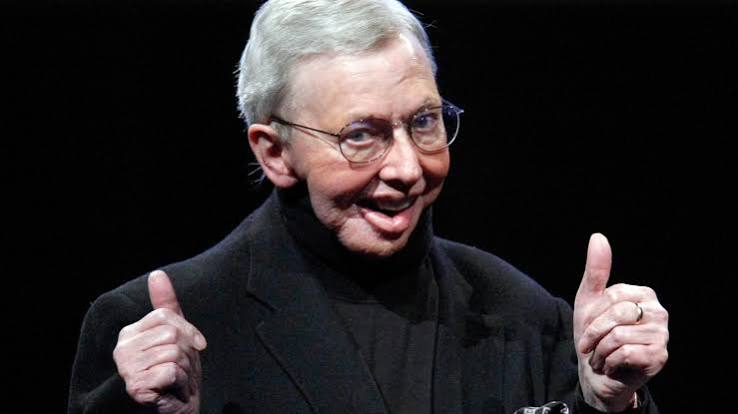
    (Picture taken from: https://www.kpbs.org/news/national/2013/04/04/remembering-roger-ebert)

    Before this assignment, I mostly watched movies for entertainment and did not spend much time thinking about how directors use camera angles, editing, and framing to tell a story. After reading Roger Ebert’s essay, “How to Read a Movie,” I learned that movies communicate meaning through a lot more than just dialogue and plot. Ebert explains that filmmakers make intentional choices about camera placement, framing, lighting, and editing to change how viewers understand characters, relationships, and emotions. Reading the essay helped me realize that every shot in a movie is carefully planned to guide the audience’s attention and create a specific reaction.

    One of the videos I watched was Kubrick // One-Point Perspective. The video showed how director Stanley Kubrick often places people or objects directly in the center of the frame with lines leading toward a single point in the background. This technique draws the viewer’s attention to the center of the image and creates a very balanced look. I learned that this style can make scenes feel organized and controlled, but it can also create tension or make viewers feel uncomfortable depending on what is happening in the scene. It was interesting to see how something simple like framing can have such a strong effect on the audience.

    I also watched Examples of Editing Techniques. The video showed how filmmakers use different types of edits, such as cuts, fades, dissolves, and match cuts, to help tell a story. Before watching it, I never really thought about how much editing actually affects a movie. I learned that editing can make scenes feel faster, slower, more dramatic, or more suspenseful depending on how the shots are put together and it can also help show that time has passed or move the audience from one scene to another. After watching the video, I realized that editing helps keep viewers interested and makes the story flow better.

    The third video I watched was Camera Angles and Techniques. This video explained how different camera angles can influence how audiences view characters and situations. For example, low angle shots can make a character appear powerful or intimidating, compared to high angle shots that can make them seem weaker or more vulnerable. Close up shots help viewers connect with a character’s emotions, compared to wide shots that provide context and show the setting. I learned that camera angles are very important for storytelling because they affect how viewers interpret what they see on screen.

    What surprised me most was that many of these techniques work so naturally that viewers often do not even notice them. After reading Ebert’s essay and watching these three videos, I have a greater appreciation for the amount of planning and creativity that goes into filmmaking. Movies are not just stories that are being recorded by a camera, they are carefully constructed experiences that use many different visual techniques to communicate meaning and guide the audience’s emotions.

    Sources:

    Kubrick // One-Point Perspective

    Examples of Editing Techniques 

    Camera Angles and Techniques 

  • Audio StoryTelling Summary

    This project helped me learn more about audio storytelling and how different production techniques can be used to help engage listeners. Throughout the assignment, I listened to examples of professional audio storytelling, analyzed a podcast episode, and create a couple different projects of my own.

    Part I: Ira Glass Reflection

    https://pmccausland.com/assignments/what-i-learned-about-sudio-storytelling-from-ira-glass/

    In my reflection on Ira Glass’s storytelling videos, I learned that strong stories need both action and reflection to be effective. One of the ideas that stood out to me was how good storytellers create curiosity by giving the audience questions that keep them interested and wanting to hear more. I also learned that storytelling takes time to develop and definitely gets better through practice and experience.

    Part III: Audio Story Analysis

    https://pmccausland.com/assignments/audio-story-analysis-modern-love/

    For my podcast analysis, I listened to the Modern Love episode “I Tried to Have a Kid With My Best Friend. It Got Complicated.” I analyzed how the producers used pacing, music, layering, radio bumpers, silence and other audio techniques to help tell the story.This assignment helped me pay more attention to how podcasts are produced and how those choices affect the listeners experience.

    Part IV: Audio Creation Projects:

    Sounds of my day:

    https://pmccausland.com/assignments/assignment-a/

    Create a Commercial

    https://pmccausland.com/assignments/assignment-b-create-a-commercial/

    Breaking News

    https://pmccausland.com/assignments/assignment-b-breaking-news/

    Recite a Story

    https://pmccausland.com/assignments/assignment-b-story-telling/

    These projects gave me the opportunity to create my own audio content and experiment with different styles of storytelling and production.

    Reflection

    What did you learn about audio storytelling? – I learned that audio storytelling involves a lot more than just simpley recording someon’s voice. Techniques like pacing, music, layering, sound effect, and silence all help shape the listener’s experience. Even small production choices can have a sigificant impact on how a story is remembered.

    What was harder than you expected and why? – The audio editing process was harder than I expected. Recording the audio itself was pretty simple, but combining clips, adjusting audio levels, and working with editing software took more time than I thought it would. It sometimes took a couple attempts to get everything sounding the way I wanted.

    What was easier than you expected and why?– Recording the audio projects was easier than I expected. Once I had a clear idea of what I wanted to create, it was pretty easy to record the content and organize it into seperate projects.

    What drove you crazy and why?– Learning how to use the editing software was the most frustrating part of the assignment. There were times when I had trouble importing files and adding background audio. Small technical problems often took longer to fix than it took to create the actual project.

    What did you enjoy most and why?– I enjoyed my own audio projects the most because they allowed me to be creative and experiment with different types of formats. It was interesting to see how audio alone can communicate information, tell stories, and create emotions without actually relying on visuals.

  • Assignment B: Create a commercial

    Reflection:

    For this assignment, I created a radio commercial promoting UMW Women’s Soccer. I recorded the narration and added background music to make it sound more like a real advertisment. My goal was to create an energetic and professional comercial that would encourage people to attend games.

  • Assignment B Story Telling:

    Reflection:

    For this assignment, i recorded myself reading a short story I focused on speaking clearly and using a chill and relazed tone to keep the listeners engaged. The biggest challenge was trying not to stutter and keeping a steady pace throughout the whole recording.