Tag: Photography

  • Design Blitz

    For this Design Blitz assignment, I photographed different examples of design concepts that appear in everyday life. This project made me pay more attention to how objects, spaces, and layouts are designed around us. The four concepts I focused on were minimalism, balance, rhythm, and dominance.

    Minimalism
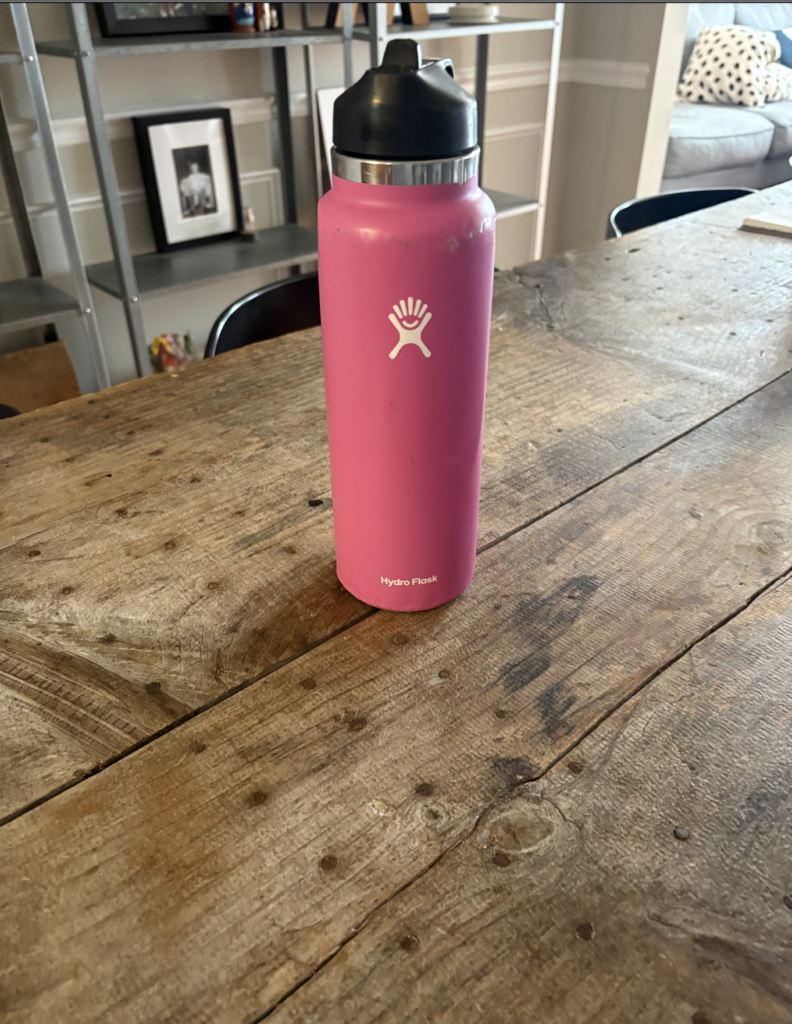
    This image demonstrates minimalism and use of space because there is only one main object shown in the photo. The empty space around the Hydro Flask helps keep the image clean and simple instead of cluttered. The plain wooden table and neutral background make the bottle stand out without adding unnecessary distractions. I think this photo is a good example of minimalism because the simple layout makes the image easy to focus on and visually clear.

    Balance
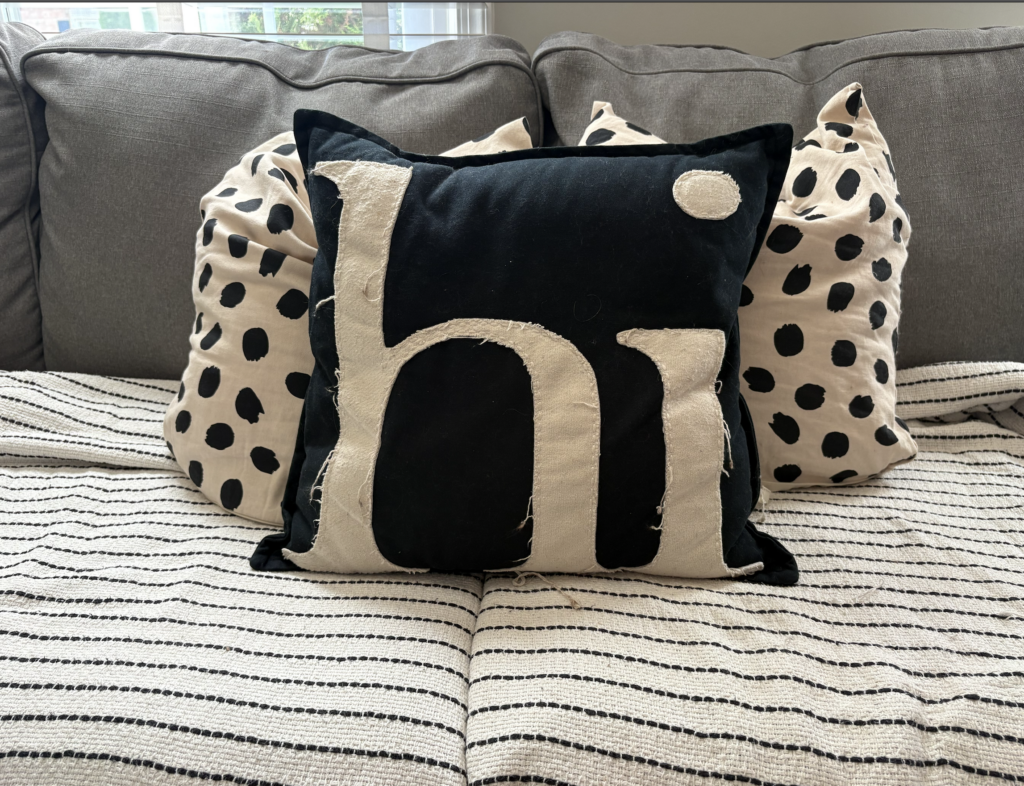
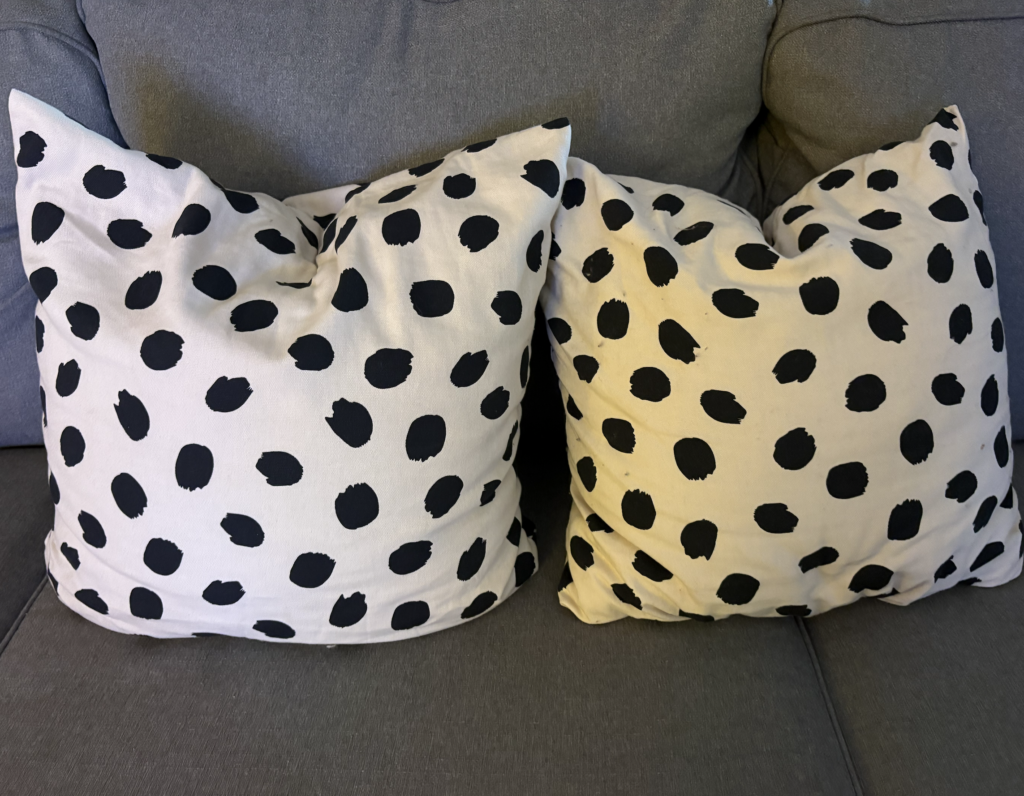
    This image demonstrates balance because the pillows are arranged evenly across the couch. The large black pillow in the center is balanced by the matching patterned pillows on both sides, which makes the image feel stable and organized. The symmetry of the arrangement helps create a calm and visually pleasing design. I think this is a good example of balance because no single side of the image feels heavier or more distracting than the other.

    Rhythm
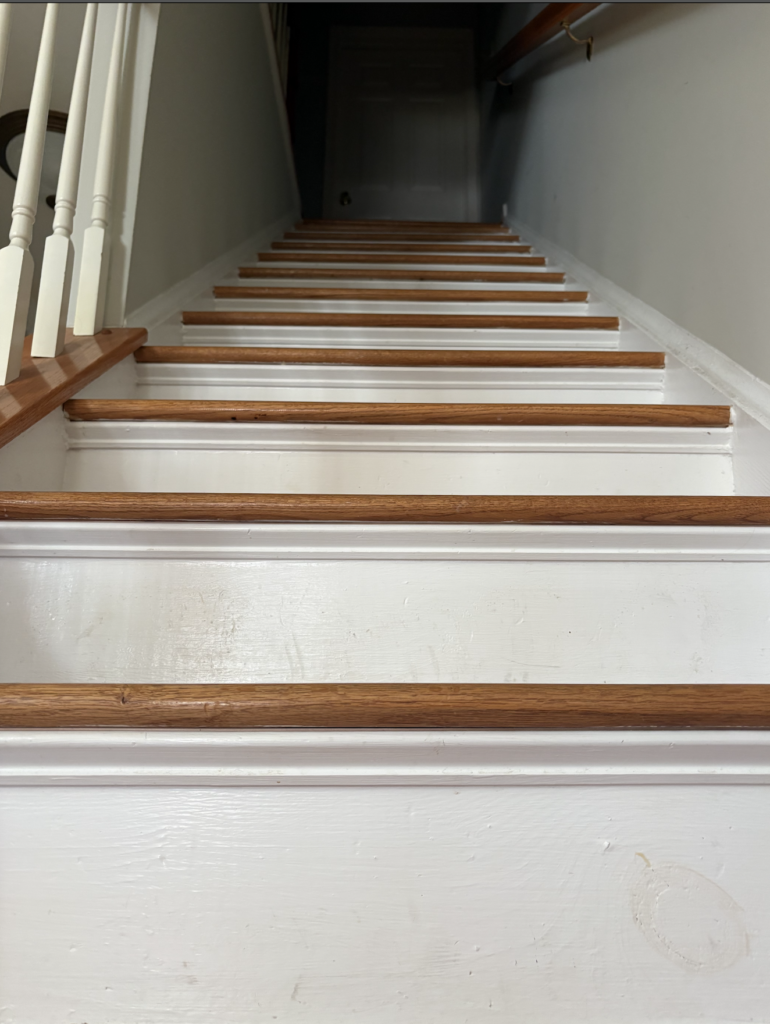
    This image demonstrates rhythm because the repeating pattern of the stairs creates movement throughout the photo. The repeated lines and shapes guide your eye upward toward the top of the staircase. The consistent spacing between each step helps create a sense of order and repetition. I think this is a good example of rhythm because the repeated design elements make the image visually interesting and organized.

    Dominance
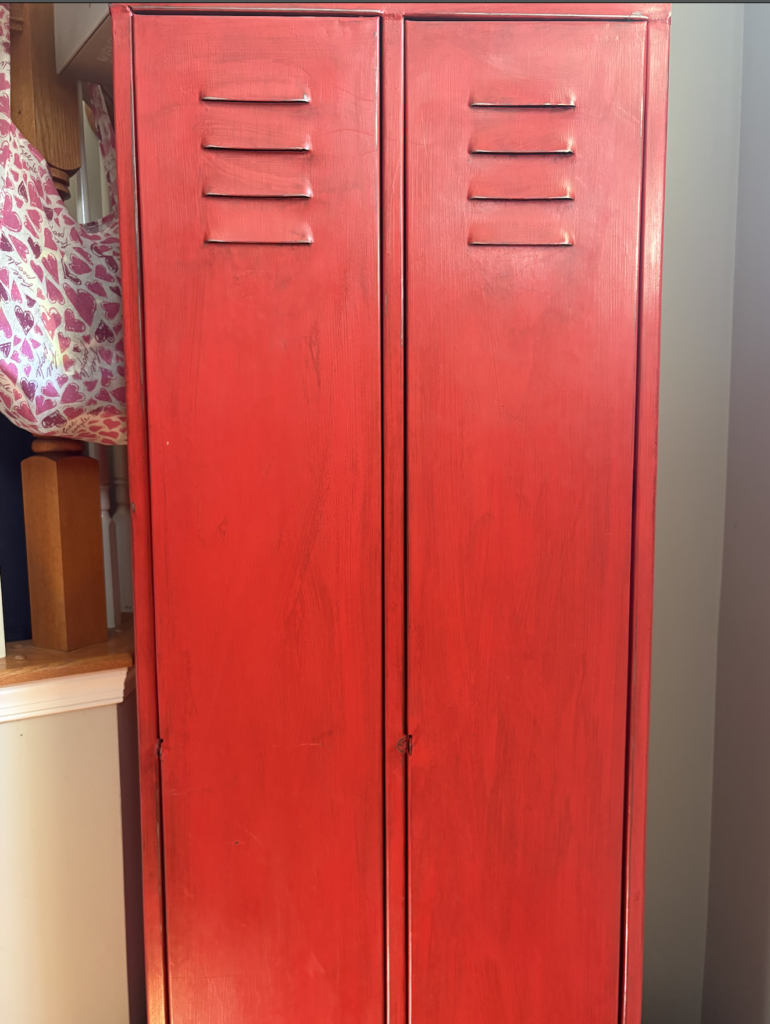
    This image demonstrates dominance because the bright red locker immediately becomes the main focus of the photo. The bold color stands out strongly against the lighter background and surrounding objects, which draws your attention directly to it. The size and placement of the locker also help make it the most visually important object in the image. I think this is a good example of dominance because one element clearly stands out more than everything else around it.
  • Visual Storytelling Summary

    Learning Visual Story Telling: https://pmccausland.com/assignments/learning-visual-storytelling-through-photography/

    Safari Challenge:

    https://pmccausland.com/assignments/15-minute-photo-safari-challenge/

    Draw it assignment:

    https://pmccausland.com/assignments/draw-it-assignment/

    Forced Perspective:

    https://pmccausland.com/assignments/forced-perspective-assignment/

    Visualize Sound:

    https://pmccausland.com/uncategorized/visualize-sound-assignment-3/

    Motion Blur:

    https://pmccausland.com/assignments/motion-blur-assignment/

    Written Summary

    Throughout this visual storytelling unit, I learned that photography and digital media can be used for a lot more than just taking pictures. Before this project, I mostly thought photography was just about capturing an image, but these assignments helped me realize how things like editing, lighting, and movement can completley change the mood and meaning of a photo. I also learned how multimedia elements like SoundCloud audio, outside articles, and edited images can work together to improve digital storytelling and make projects even more creative.

    One thing that was harder than I expected was making images look creative while still also looking realistic. Some assignments, especially the motion blur and forced perspective projects, took multiple tries before I got the result I wanted. It was sometimes difficult finding the right angle, lighting, or camera moement to create the effect I imagined.

    One thing that was easier than I expected was learning how to use WordPress. After I figured out how to upload images, add my links and use tags, posting the assignments became a lot easier. As the project continued, I also became more comfortable experimenting with editing tools and visual effects.

    The most frustrating part of the project was dealing with technical issues while also trying to upload or embed certain media. Sometimes the videos would not embed correctly or the visual effects looked too edited and unrealistic, which just meant I had to keep trying different ideas.Even though it was pretty frustrating at times, it did help me learn more about digital editing.

    The part I enjoyed the most was being creative with the photos and experimenting with different visual styles (most I haven’t heard of). I especially liked the motion blue and forced perspective assignments because they allowed me to turn normal objects and spaces into better looking images. Overall, this project helped me become more confident using digital storytelling tools and being creative through photography and multimedia.

  • 15 Minute Photo Safari Challenge

    This is the begining time of when I started the challenge

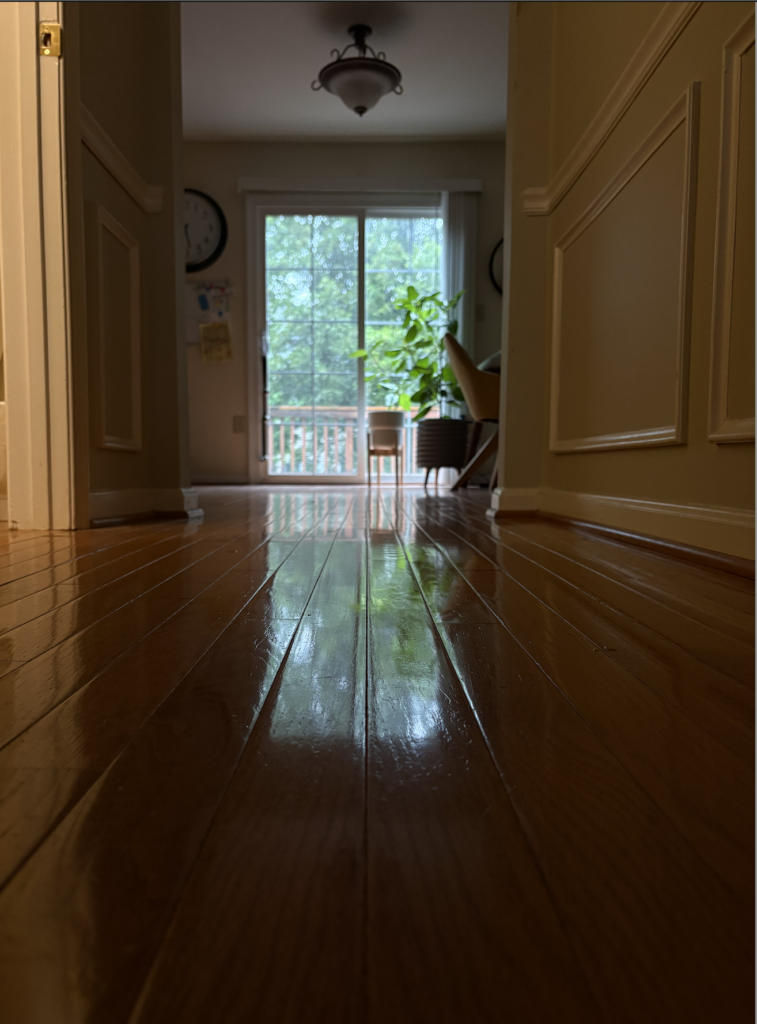
    A photo dominated by one color

    (An interesting shadow)

    Something futuristic

    An unusual angle

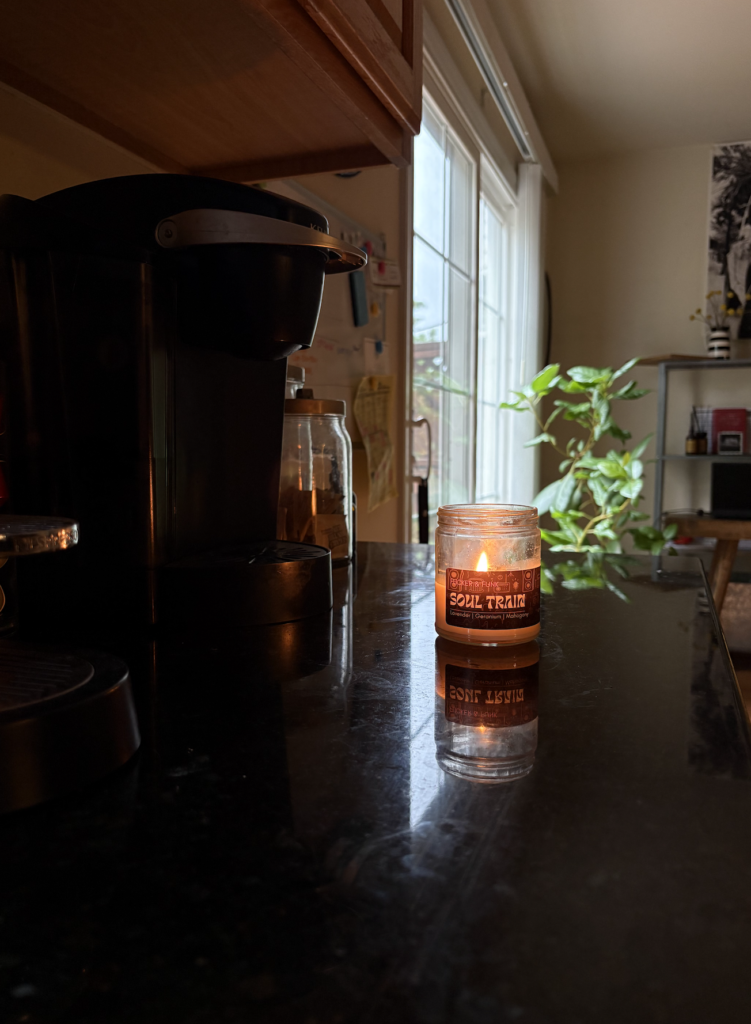
    Bright

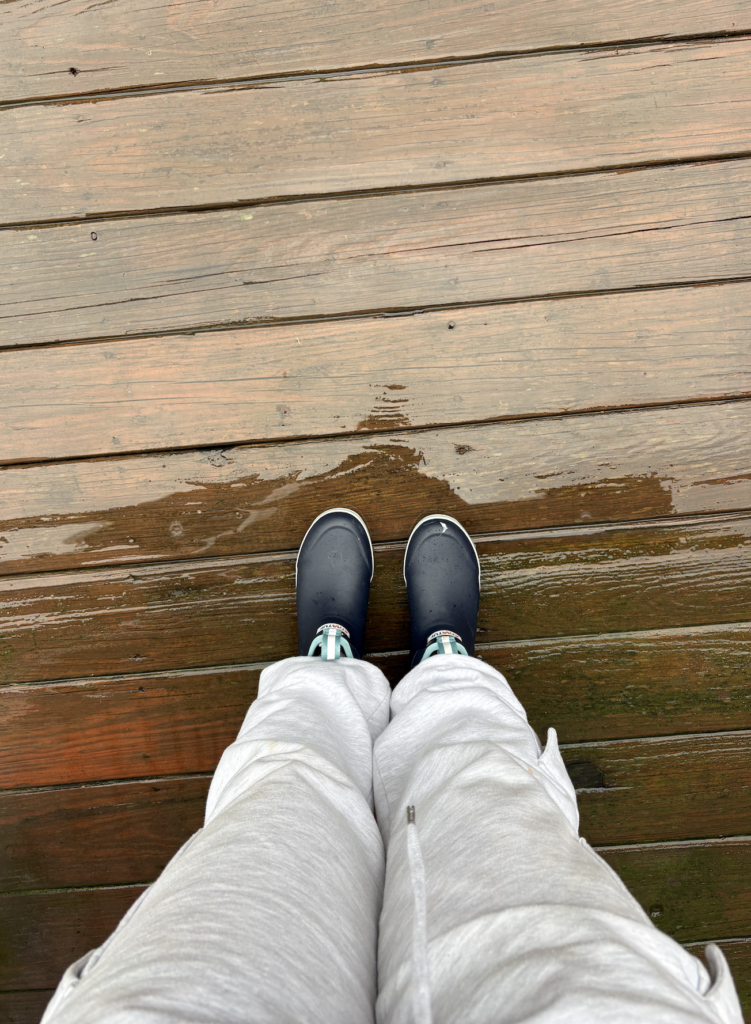
    Someone elses shoe or foot

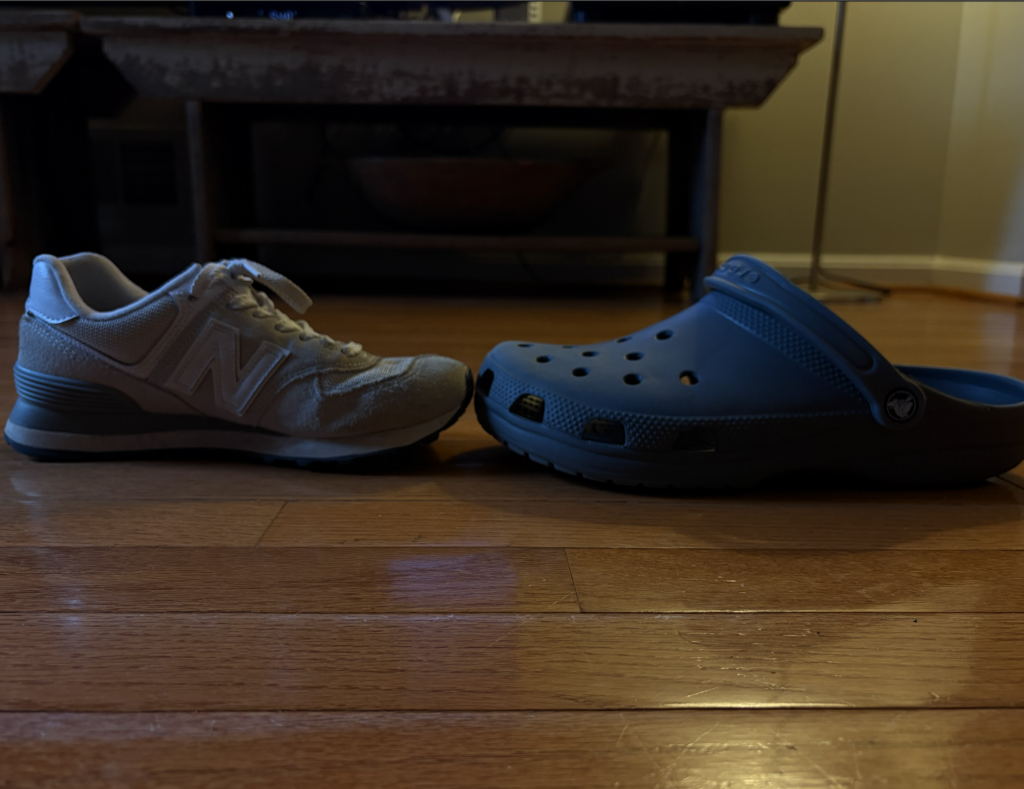
    An inanimate object made to look alive (tried to make the shoes look like they were kissing)

    Converging lines

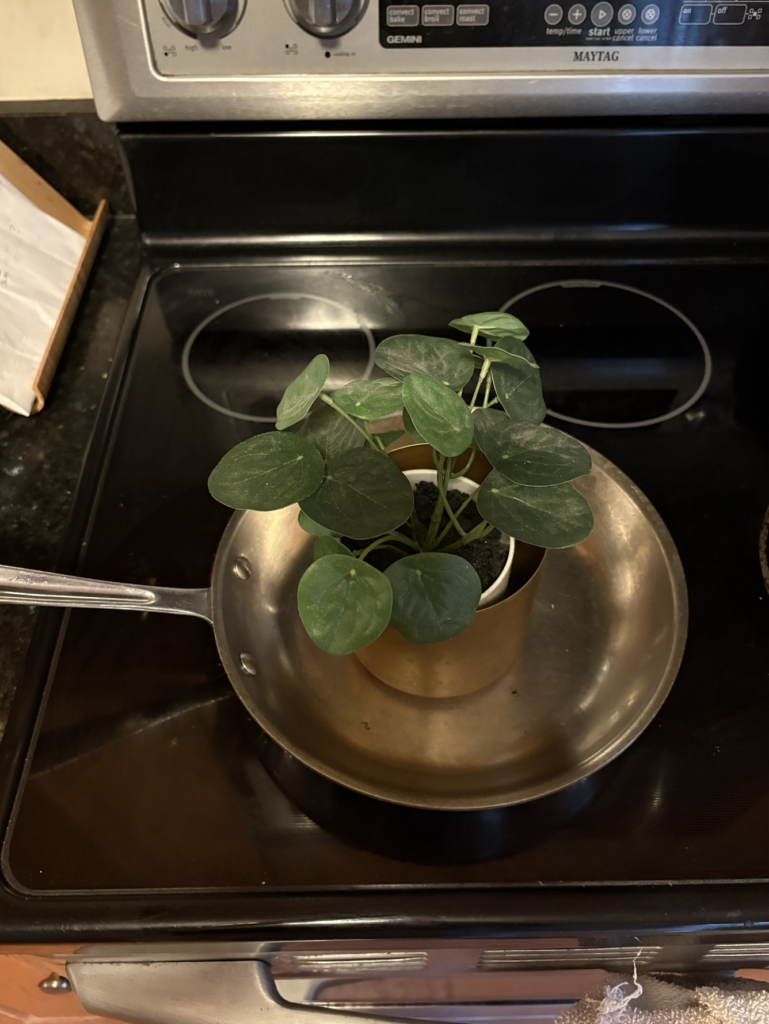
    Two things that don’t belong together

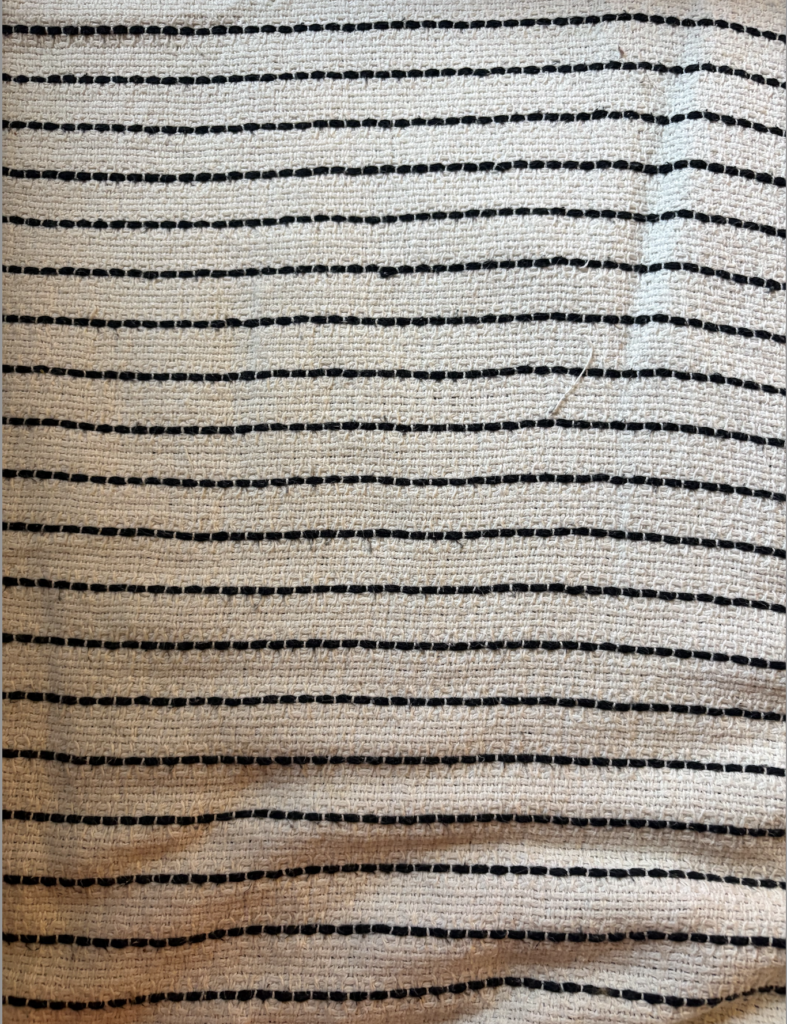
    A repeating pattern

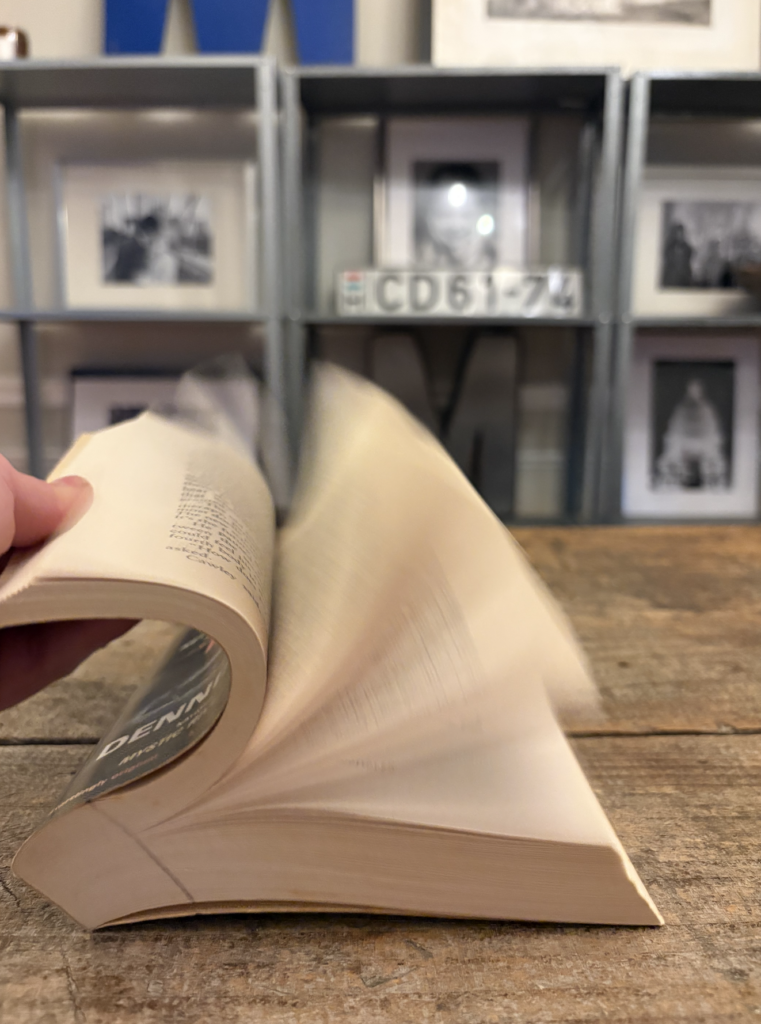
    A motion‑blur photo

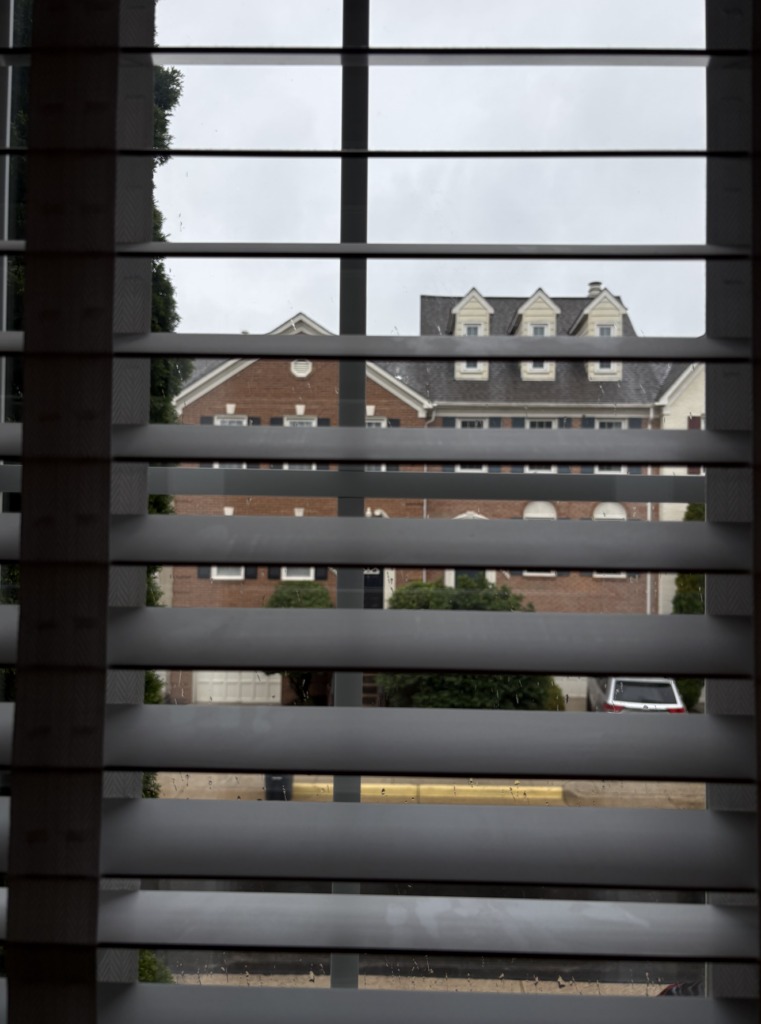
    A frame or opening leading to something else

    A photo representing joy

    An abstract photo that sparks “Is that a photograph?”

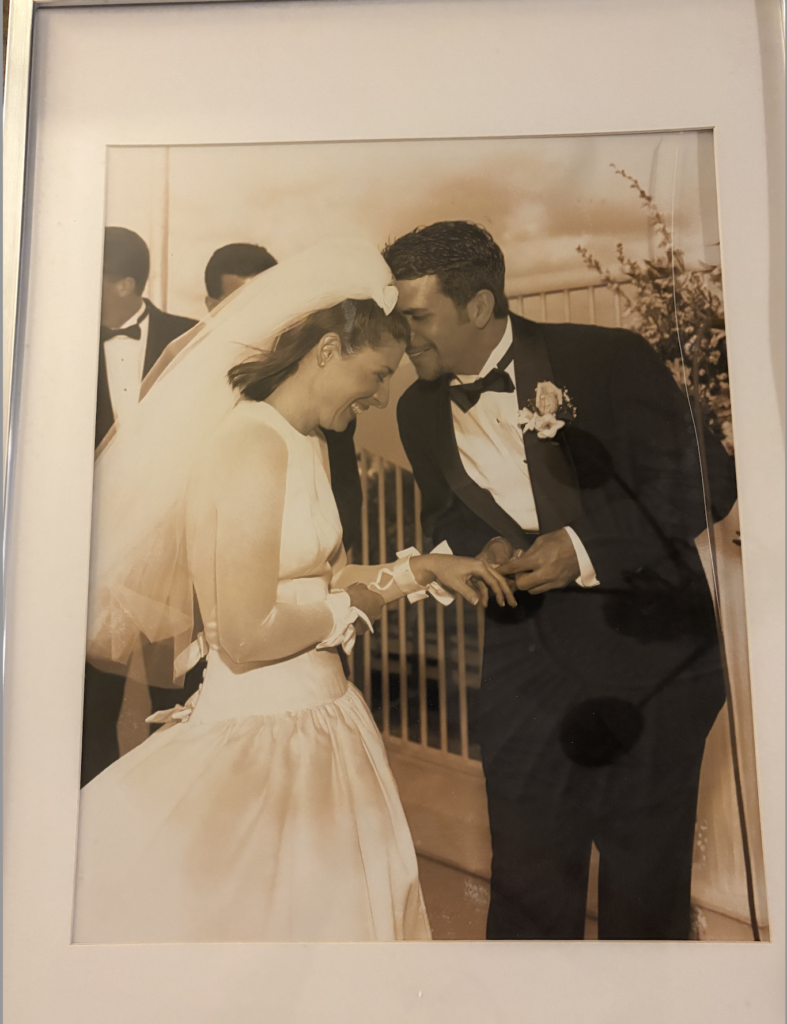
    A metaphor for complexity

    The time that I finished the challenge

    Reflection:

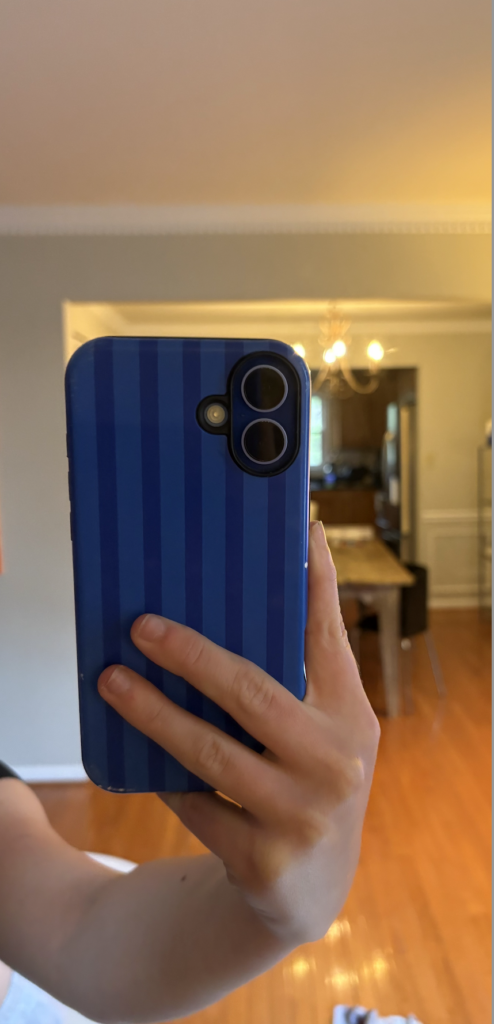
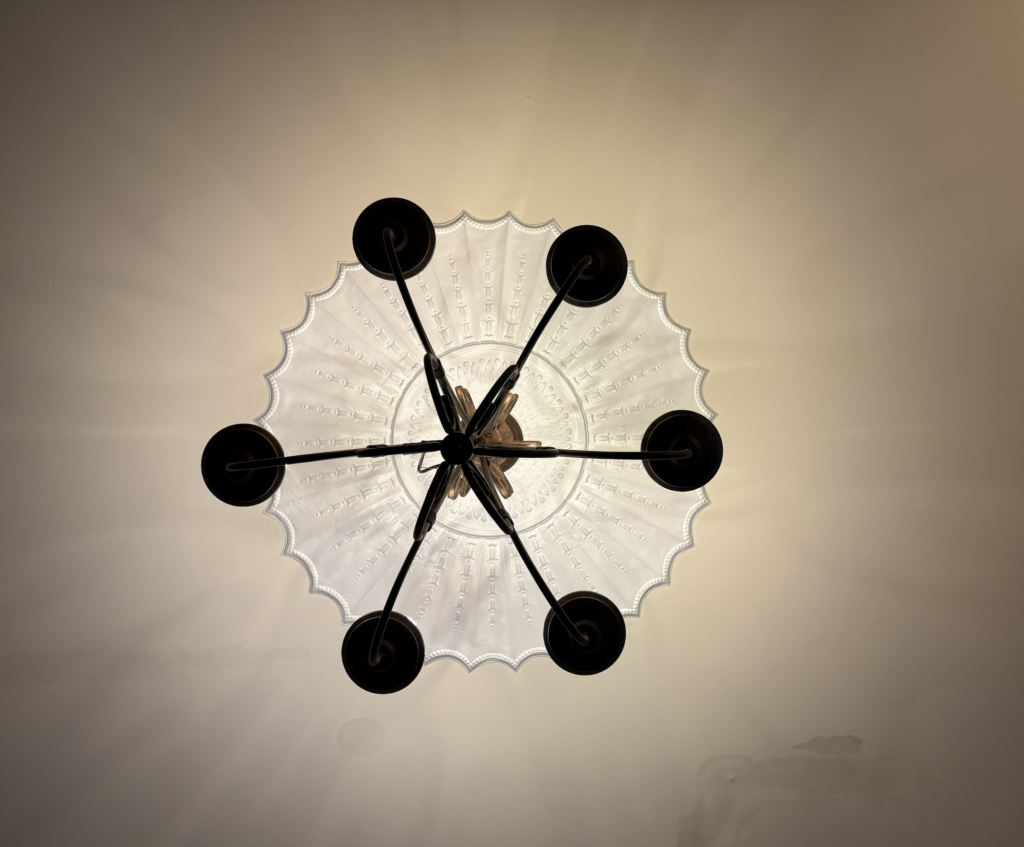
    Because it was a rainy day outside today, I decided to complete my 15 minute photo safari entirely inside of my house. Even though I was limited to indoor spaces, I was still able to find creative ways to complete all of the prompts by using different rooms, onjects, lighting and camera angles. I chose to stay inside because obviously the weather wasn’t great outside, but it also challenged me to become more creative with everyday objects and spaces around me.

    The 15 minute challenge felt a lot more difficult than I expected because I really had to think quickly and creatively while moving all over my house.Some prompts were easier to complete, like repeating patterns and bright light, I already was sitting on the couch with the pillow I took the picture of and I already had a candle lit. Some of the others required a lot more imagination and experimentation. The time limit made the challenge feel fast paced, but it also forced me to pay closer attention to details I normally wouldn’t notice inside of my house.

    Some of my strongest photos were the unsucual angle photographs and the shadow image because I feel like they created insteresting depth. I also thought the motion blue and abstract photographs turned out well because they looked more artistict and visually unique. I would say the most inventive photos were probably the ones where I made ordinary household objects appear unusual or alive by just changing the perspective and the lighting. Overall, This challenge helped me better understand how creativity, and perspectives can turn simple everyday scenes into some strong visual stories.

  • Learning Visual Storytelling Through Photography

    After reviewing the photography readings and visual storytelling resources, I realized that photography involves a lot more than simply taking pictures. One of the most important ideas I learned from David duChemin’s photography tips was to “get pickier” with photographs. Instead of quickly snapping random images, photographers should think carefully about composition, lighting, and perspective before taking the picture. I also learned how contrast can improve storytelling by using differences in color, shadows, and subjects to create stronger visual impact. Changing perspective by crouching low, shooting from above, or using unusual angles can completely change how viewers experience a photograph.

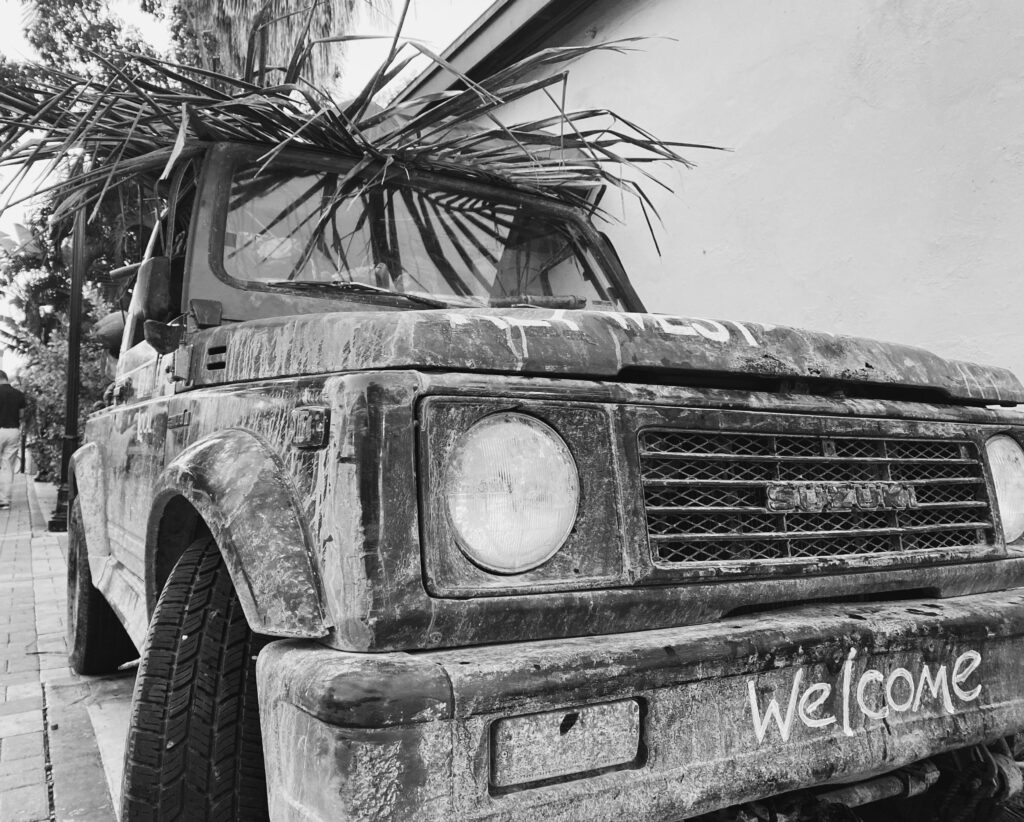
    (Heres on of my personal photos I took on a trip in Key West, FL)

    Another important lesson from the readings was the importance of depth, balance, and lighting in photography. Using foreground objects, strong lines, and background contrast helps create dimension and makes photographs feel more realistic. I also found the information about lighting especially interesting because I never realized how much shadows and natural light affect the mood of a picture. The readings explained how photographers use aperture, shutter speed, and ISO settings to shape the appearance of an image. Even though there are many photography “rules,” I learned that experienced photographers sometimes intentionally break those rules in order to create more artistic and meaningful photographs.

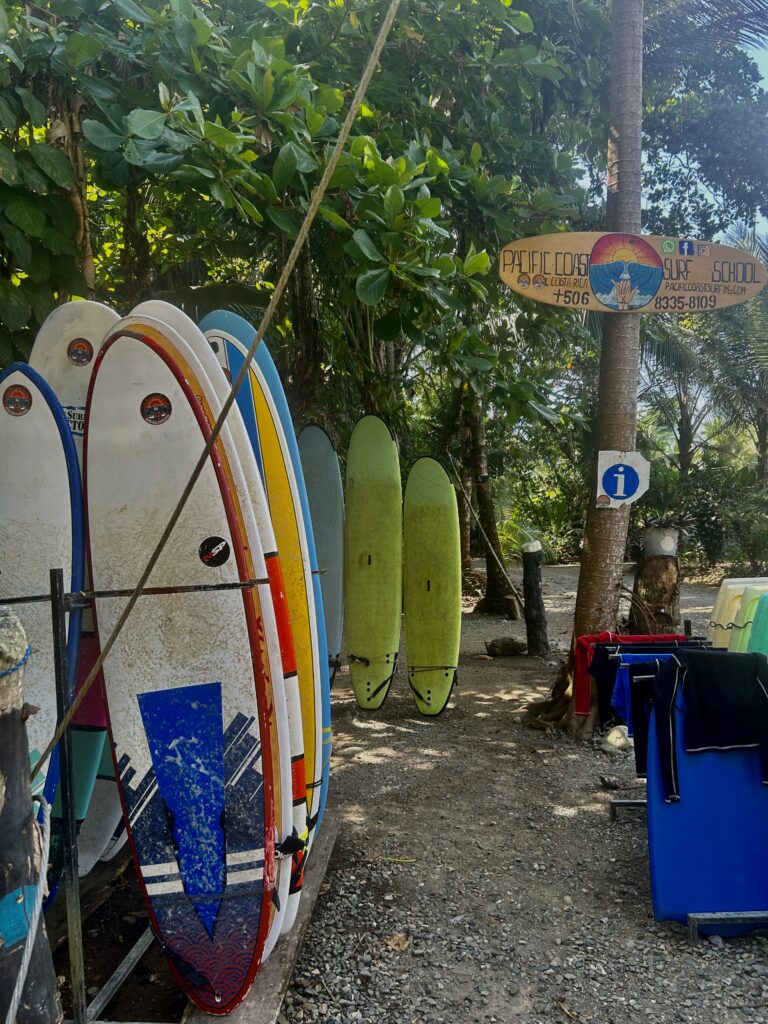
    (Heres another personal photo I took while in Costa Rica)

    The visual literacy readings and the story behind Migrant Mother helped me understand how photographs can tell emotional stories without using words. A single image can communicate struggle, emotion, and history through facial expressions, composition, and small visual details. The photograph became powerful because it captured a real human moment that people could emotionally connect to. I learned that visual storytelling is effective because viewers often respond emotionally to images faster than they do to written text. Overall, these readings helped me better understand how photographers combine creativity, emotion, and technical skill to create meaningful visual stories.